
How Do We Protect The Church From Prophetic Abuse?
Feb 10, 2026Bethany Hicks
Many years ago, I lived in a small mountain ski town that welcomed tens of thousands of people every weekend. They came for the snow—skiing, snowboarding, snowshoeing—anything that allowed them to experience the beauty and power of winter in the mountains.
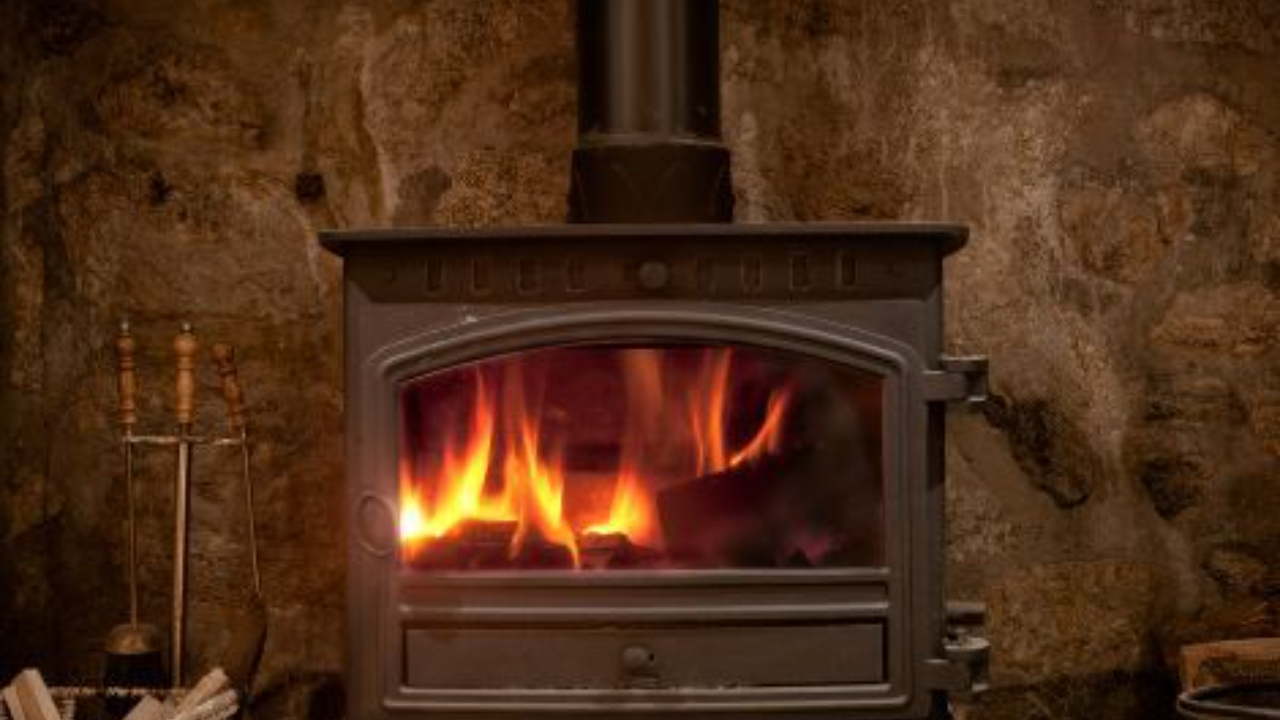
Because of where we lived, our primary source of heat during those cold months was a freestanding wood stove. We kept that fire burning constantly so the chill wouldn’t creep into our home. At the time, my daughter was just a toddler, and one of my ongoing responsibilities as a parent was to train her not to touch the stove because it was hot.
Now, this particular child of mine has a strong pioneering spirit. She liked to test boundaries. One day, she decided to see for herself just how hot the stove really was. She placed her five little fingers on the metal surface and immediately ran to me screaming in pain. I quickly tended to her blistered fingers and comforted her.
As a parent, you never want your child to experience pain, especially pain that could have been avoided. That moment forced me to consider my real options. Do we stop using the stove altogether so she’ll never get burned again? Do we build a wall or gate around it so she never has access? Or do we continue to equip and train her to live safely in the presence of something powerful and necessary?
The answer was obvious. We needed the fire. Without it, our family would freeze. The solution was never to extinguish the fire but to teach her how to live wisely around it.
I believe the church finds itself in this very place again when it comes to the prophetic and the fire of the Holy Spirit.
Because people have been burned—by misuse, abuse, immaturity, and even manipulation of prophetic gifts—there is a growing temptation to protect the flock by shutting the gifts down entirely. But Scripture gives us a different and far wiser path forward.
The apostle Paul addressed this exact tension in his exhortation to the Thessalonian church.
“Do not quench the Spirit. Do not despise prophecies, but test everything; hold fast to what is good.”
1 Thessalonians 5:19–21
Within these few verses, Paul gives us a mature, balanced framework for stewarding the prophetic in a healthy way that protects every believer.
1. Do Not Quench the Spirit
To quench the Spirit literally means to extinguish or put out a fire. That alone should sober us. The fact that Paul warns us not to quench the Spirit tells us we actually have the ability to do so.
When we lived in the mountains, the fire was not optional. It brought warmth, protection, and life to our home. If I had poured water on that fire to keep my daughter from touching it again, the rest of our family would have suffered.
Fire requires respect. It requires wisdom. It requires protocols. But it is never meant to be extinguished.
The same is true of the Holy Spirit. We do not protect people by putting out the fire. We protect them by equipping them to live wisely in its presence.
2. Do Not Despise Prophecy
Following Paul’s train of thought, it becomes clear that despising prophecy is one of the ways we end up quenching the Spirit. If quenching the Spirit is like pouring water on the fire, then despising prophecy can look like building a wall around it so the fire becomes inaccessible. Paul fully understood that prophetic abuse existed, yet he still placed responsibility on the church to not reject the gift because of misuse.
One key in not despising prophecy is understanding that in the New Covenant, prophets don’t just hear God for you, they hear with you.
If we are to mature in Christ, we must embrace what God has made accessible to all of His sons and daughters.
3. Test All Things
This is where healthy prophetic culture is built. Every prophetic word must be tested, weighed, and judged.
In any prophetic exchange, the receiver is just as powerful as the giver. It is the responsibility of the hearer to discern what is being spoken—to recognize what carries God’s voice, what reflects human agenda, and what may need to be rejected entirely.
We test prophecy by asking wise questions:
- Does this reflect the character and nature of God?
- Does it align with the authority of Scripture?
- Does it resonate with the Spirit of God within me?
- And for directional or life-altering words, has it been weighed within trusted community and leadership?
These are not restrictions but protections that allow the fire to keep burning.
4. Hold On to What Is Good
Paul doesn’t tell us to hunt for what’s wrong first. He tells us to recognize and cling to what is good. Focusing only on the bad will rob us of recognizing and embracing the good.
Encouragement, hope, comfort, and strength often come wrapped in imperfect delivery. When we deem a word to truly carry God’s heart, we are instructed to hold fast to it, because that promise has the power to sustain us.
And what about the parts of a prophecy that you've judged to be inaccurate or that seem off? We like to say, "Flush it." Like you flush a toilet, send it away. Nothing can stick to your life without your agreement.
As the church, we are not called to react in fear when someone is burned. Of course, we will tend to the wounds. But ultimately, rather than react in fear, we are called to grow in maturity, wisdom, and biblical stewardship. When healthy prophetic protocols are in place, you do not need to live in fear of being the victim of bad words, immature words, or even false words.
My daughter is an adult now, and she is no longer afraid of the fire. Not because the fire is any less powerful, but because she learned how to live wisely around it. She knows how to respect it, steward herself in its presence, and even contribute to keeping it burning.This is what maturity looks like in the Body of Christ.
To protect the church is to equip the church to grow in their responsibility as sons and daughters of God.
So let’s keep the fire burning, embrace His voice, test all things, and hold fast to what is good.